The Trauma No One Prepared Me For: A Nurse's Story
As nurses, we're trained to care for everyone else.
We know how to assess symptoms, manage medications, comfort families, and remain calm in the middle of a crisis.
What we're rarely taught is how to care for ourselves after a traumatic event.
Many hospice and palliative care nurses carry memories they never talk about. They continue working, caring for patients, smiling at people at work, or they pass on the street, and move on to the next visit—even when something inside them has changed.
Sometimes the trauma isn't recognized by anyone—not our employer, not our colleagues, and not even ourselves.
I know because it happened to me.
The Day That Changed Everything
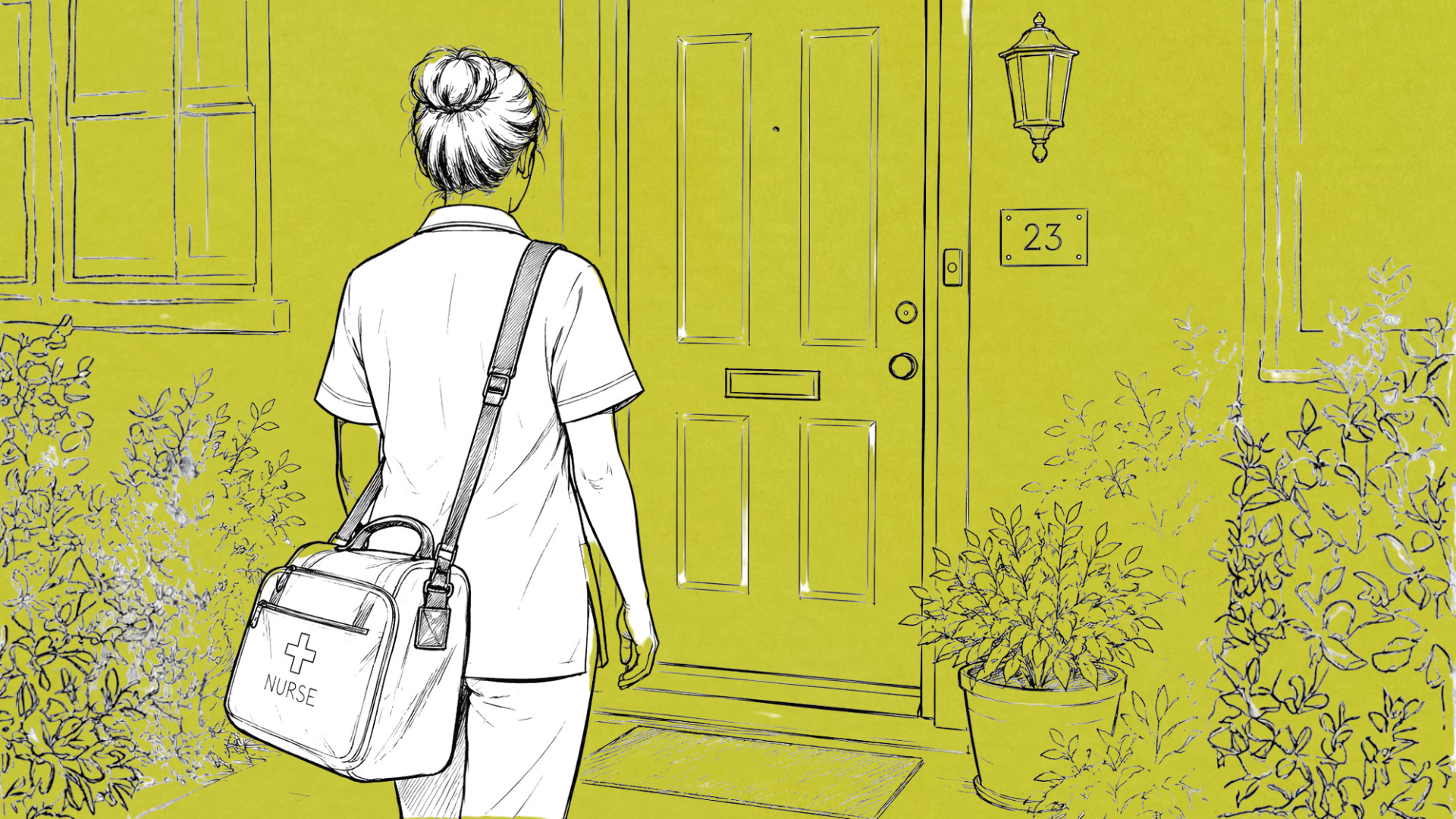
More than forty years ago, I was working as a home health nurse in rural San Mateo County, California. One of my patients had Stage IV GI cancer. I had been worried about him and his wife for some time. They lived in an isolated area with no nearby family or support system.
On April 1, 1985, I arrived for my scheduled visit. The front door had been left unlocked for me, but my patient wasn't in his bed or anywhere in the house.
I called my office to see if plans had changed. Nothing.
As I stood there wondering where he was, his wife pulled into the driveway. He wasn't with her.
Then she saw him.
He was lying outside near his walker, unconscious. His skin was badly sunburned, so he had been there for quite some time.
I immediately called 911, believing he had fallen and suffered a head injury.
Then his wife quietly said something I'll never forget:
"I didn't know he had a gun."
Only then did I notice the handgun in his right hand.
He had died by suicide.
Within minutes the sheriff arrived, followed by a medical helicopter that transported him to Stanford Trauma Center. He died the following morning.
What Happened Next Hurt Almost As Much
After everything that had happened, I called my manager.
Her response?
"Well...at least you have tomorrow off."
That was the support I received.
Two days later I was back seeing patients.
I remember trying to take one patient's blood pressure, and my hands were shaking so badly she noticed. She could tell I wasn't okay.
And I wasn’t!
I eventually took about a week off, but no one talked with me about what I had experienced. No one asked how I was coping. No one helped me process what had happened.
I simply returned to work.
A friend recommended an outstanding therapist who happened to be a psychiatric clinical nurse specialist.
Seeing another nurse made all the difference. I felt understood. I worked through some of the grief, at least enough to get back to work and function. I thought I had processed the grief of my patient’s tragic death.
Trauma Doesn't Disappear Just Because We Keep Working
Years later, while training to become a hospice bereavement volunteer, something unexpected happened.
During a video presentation I suddenly became overwhelmed with emotion. I felt angry. I had to get out of the room. I couldn't explain why. I just got up and walked out.
A hospice social worker followed me outside and gently asked what was happening.
As I told her about my patient, she introduced me to a term I had never heard before:
disenfranchised grief.
It's the grief experienced by someone whose loss isn't publicly recognized or supported.
I wasn't family.
I wasn't a close friend.
I was "just the nurse."
But I had experienced a traumatic loss.
For the first time, someone acknowledged that my grief mattered.
That conversation changed everything.
Healing Took Years
One small moment from that bereavement training has stayed with me ever since.
I couldn't remember my patient's name anymore. Trauma has a way of protecting us by hiding painful memories.
As I picked up my training materials, I happened to turn them over. Printed on the back was a thank-you to a family whose donation had paid for the materials.
It was the same last name as my patient.
I've never forgotten his name since.
Why I'm Sharing This Story
Today we talk more openly about burnout, compassion fatigue, moral distress, and secondary trauma.
That's progress.
But too many hospice nurses still believe they should simply "be strong" and move on after devastating experiences.
They silently carry the weight of patient deaths, family crises, unexpected tragedies, and sometimes violence or suicide.
Many never receive the support they deserve.
If you've ever found yourself replaying a difficult case, questioning your reactions, feeling emotionally numb, or wondering why a patient from years ago still lives in your memory...
You're not weak.
You're human.
And you don't have to carry those experiences alone.
Sometimes healing begins simply by talking with someone who truly understands what it's like to be “just the nurse”.
Because nurses need care, too.